Blog

Emotional Connection, Not Conflict, Predicts the Future of Love
In Love Sense, Sue Johnson explains that couples don’t fall apart because of too many fights—but because of too little connection. Discover why emotional responsiveness matters more than conflict and how therapy can help.

When Sexual Intimacy Changes: A Path to Healing, Growth, and Deeper Connection
When sexual intimacy changes, it’s easy to feel lost or disconnected—but these shifts can also open the door to deeper healing and growth. In this blog series, we explore what it means to navigate intimacy changes with care, including topics like betrayal recovery, desire discrepancy, addiction healing, and emotional reconnection. You’re not broken. You’re invited into something new.
Trust, Truth, and Turning Toward: A Gottman Lens on Secret Porn Use in Marriage
Hidden pornography use can deeply impact a couple’s emotional safety. Using the Gottman Method, this post explores how trust is broken—and how it can be repaired through emotional attunement, honesty, and turning toward one another. Even painful moments can become turning points.

Couples on the Brink: When You're Not Sure What Comes Next
Being “on the brink” doesn’t mean your relationship is doomed—it means you’re at a turning point. This post explores what it feels like to live in that uncertain space and how discernment counseling can help you find clarity and direction.

Using the Gottman Sound Relationship House to Rebuild Intimacy
When intimacy feels strained, rebuilding the deeper foundations of your relationship is key. Learn how Gottman Method Couples Therapy and the Sound Relationship House can help couples restore trust, emotional connection, and shared meaning—and expand that foundation into a thriving physical and sexual intimacy.
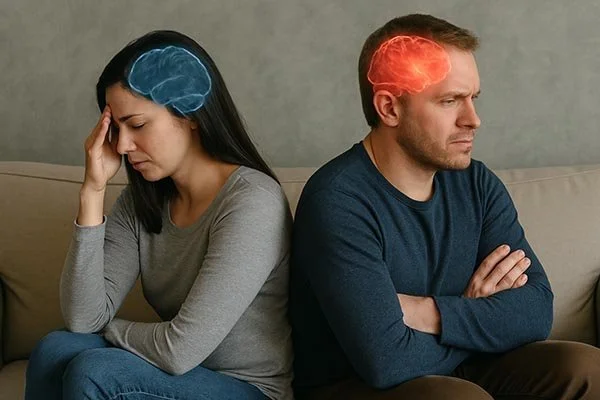
Why Criticism Feels So Personal: How Your Brain Reacts to Relational Threats
Why do small criticisms hurt so much more in close relationships? Discover how the brain responds to perceived rejection and how couples therapy can help you and your partner reconnect instead of retreat.
The Impact of Unresolved Hurt: Why Forgiveness Matters for Healing and Relationships
Unresolved hurt impacts your health, mind, and relationships. Learn what forgiveness is (and isn’t) and how it helps healing for individuals, couples, and families.
Therapy Isn’t a Fix—It’s a Framework for Change
Therapy isn’t a quick fix—but it offers something more lasting: a clear, compassionate framework for change. This post explores how real healing happens, and what to expect from therapy that goes deeper than tools.

Is Virtual Therapy Right for You?
Wondering if virtual therapy can really help after betrayal? This post explains when telehealth works, how it supports couples in recovery, and what to expect when working with a specialist across state lines.

From Coping to Living: How to Set Relational Goals That Heal
Coping keeps things calm—but healing invites connection. This post explores how couples can move from symptom management to relational growth by setting goals that actually restore intimacy.

Why Your Partner Keeps Explaining: The Loop of Justifying and Withdrawing
Does your partner keep explaining while you feel unheard? This post explores why justifying and withdrawing often go hand in hand—and what real connection looks like instead.

What Is Christian Marriage Counseling?
Christian marriage counseling honors your faith while using proven methods to rebuild connection, communication, and trust. Here's what it actually is, how it differs from pastoral counseling, and what to expect in your first sessions.

Life Coaching vs. Therapy: What's The Difference?
Life coaching and therapy can sound interchangeable, but they differ in training, regulation, and purpose. Here's how to tell which kind of help fits what you're actually facing.

Is Codependency Real?
Is codependency real — or a label applied too quickly, especially to betrayed partners? A trauma-informed look at where the term came from, why it so often misses, and the safety-first way we approach it.
How to Rebuild Trust After Infidelity
Rebuilding trust after infidelity is possible — but it's earned through consistent honesty and changed behavior over time, not apologies or promises. Here's what actually rebuilds trust, what stalls recovery, and how couples heal.

Why Empathy — Not Apology — Rebuilds Trust After Betrayal
After betrayal, "I'm sorry" often lands flat — no matter how sincere. What a hurting partner needs next isn't apology, but empathy: the felt sense of being truly understood. Here's why empathy is what actually rebuilds trust, and what it looks like in early recovery.

What Is Betrayal Trauma?
If you've discovered a partner's affair or hidden behavior and can't stop the racing thoughts, you may be experiencing betrayal trauma. Learn what it is, why it can feel like PTSD, and the real, hopeful path toward healing.

The Hidden Impact of Avoidance After Betrayal
Avoidance after betrayal often feels protective—but over time, it erodes connection and deepens the wound. This post explores why silence isn’t safety and what real presence looks like in healing.
When the Body Doesn’t Feel Safe Yet: Trauma, Touch, and Consent
Consent after trauma is about more than agreement—it’s about nervous system safety. This post explores how couples can rebuild intimacy through attunement, micro-consent, and emotional presence.

Making Repair Stick: What the Gottman Method Teaches About Apologies
Apologies alone don’t heal relationship hurt. This post explores what the Gottman Method teaches about real repair—and how couples move from “sorry” to restored connection.